Bhuj, the cultural heart of Kutch in Gujarat, is a wonderful destination for travellers who love history, traditional art, architecture, and local culture. The city and its surrounding villages offer a variety of experiences, from exploring historic palaces and museums to discovering rare Indian handicrafts. Whether you are visiting Kutch for the first time or planning a cultural holiday, there are several places worth adding to your itinerary. Here are the top 5 places to visit near Bhuj, Kutch, including Kutch Museum, Rogan Art, RamKund, Aina Mahal, and Prag Mahal.
1. Kutch Museum – Discover the Rich History of Kutch
Kutch Museum is one of the most important cultural attractions in Bhuj. Established in 1877, it is widely recognised as one of Gujarat’s oldest museums. The museum offers visitors an introduction to the history, traditions, and cultural diversity of Kutch. Its collections include historical objects, traditional textiles, archaeological material, musical instruments, and examples of local craftsmanship.
Kutch has a rich cultural identity shaped by its communities, traditional occupations, and connections with other regions. Visiting the museum helps travellers understand this heritage before exploring the surrounding villages and historic monuments. For anyone interested in the traditional arts and crafts of Gujarat, Kutch Museum is a good place to begin a sightseeing tour.
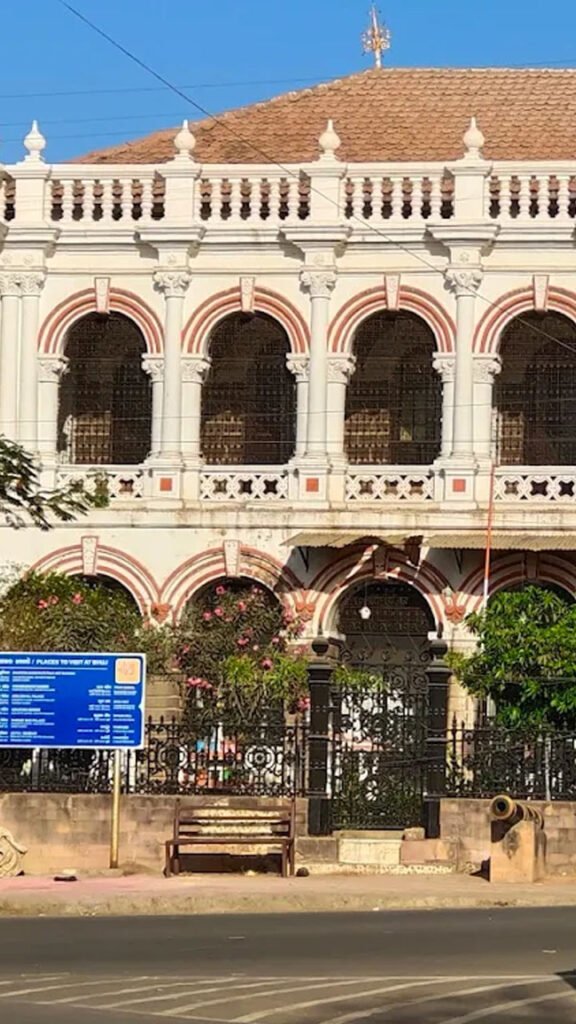
Things to explore:
- Historical objects and archaeological collections.
- Traditional textiles and handicrafts.
- Musical instruments and cultural artefacts.
- The history and traditions of Kutch.
Best for: History lovers, families, students, and cultural travellers.
Location: Kutch Museum, Bhuj
2. Rogan Art Kutch – Discover a Rare Traditional Indian Painting
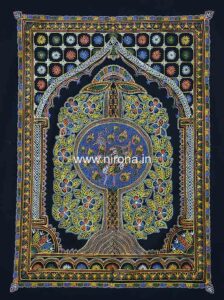
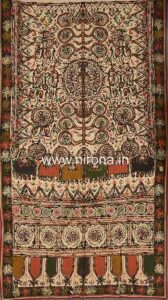
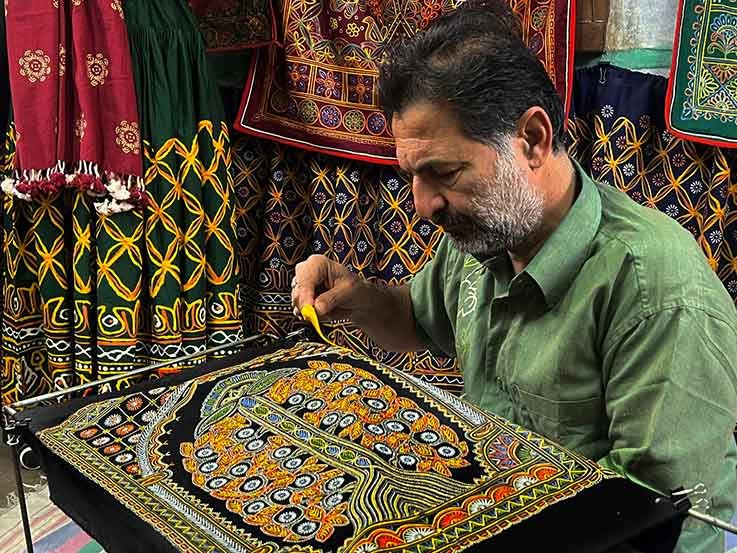
One of the most distinctive cultural experiences near Bhuj is discovering Rogan Art, a traditional textile painting technique associated with Kutch, Gujarat. Rogan Painting is different from ordinary painting. Artisans prepare a thick, coloured paste using drying oils and pigments. They then stretch the paste into extremely fine strands and use these strands to create intricate designs directly on fabric.
The process requires patience, precision, and years of practice. Traditional designs include flowers, leaves, geometric patterns, and the famous Tree of Life. The technique has been passed down through generations of artisans.
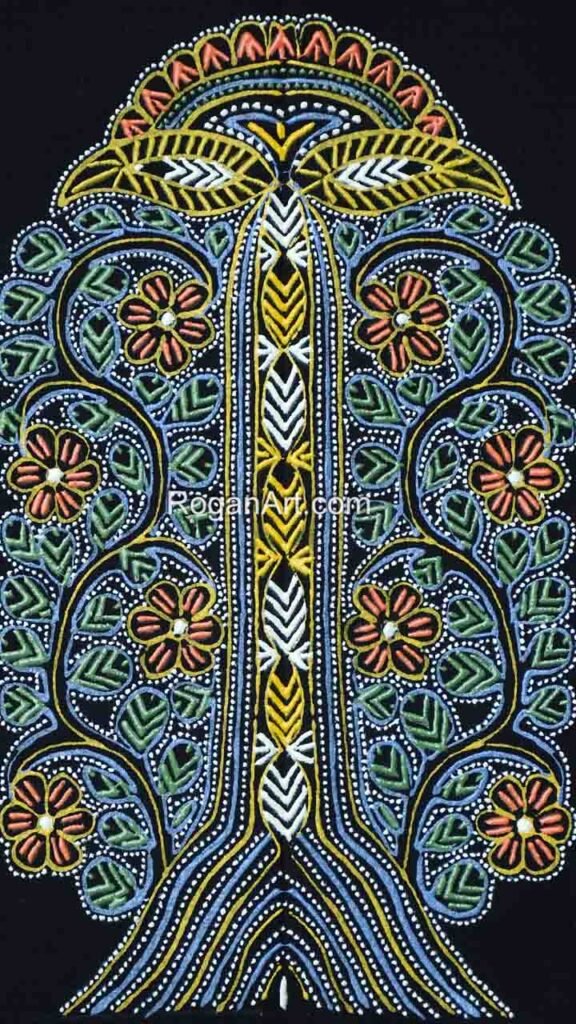
Meet Dr. Ashish Shantilal Kansara, a Rogan Art Master Artisan of India
Madhapar, a village near Bhuj, is home to Dr. Ashish Shantilal Kansara, an artisan dedicated to preserving and promoting this traditional craft. Dr. Ashish Kansara learned Rogan Art from his grandfather, Jamnadas Vastaram Kansara. As demand for traditional handmade textiles declined with the growth of machine-printed products, the craft faced serious challenges.
Ashish helped bring renewed attention to Rogan Art by developing new compositions, including paintings of Hindu deities such as Shri Raja Ram Darbar, Lord Ganesha, Lord Hanuman, Shri Tirupati Balaji, and Bhagwan Swaminarayan. His work has introduced the traditional technique to new audiences while maintaining its distinctive handmade character.
On 7 July 2026, Ashish Kansara received an honorary Doctor of Literature (D.Litt.) degree at the 24th convocation ceremony of Dr. A.P.J. Abdul Kalam Technical University in Lucknow. Uttar Pradesh Governor Anandiben Patel presented the degree in recognition of his contribution to traditional Kutch Rogan Art.
Why Should You Visit Rogan Art in Kutch?
A visit to a Rogan Art workshop can offer a closer look at the skill and patience involved in creating this unusual form of textile painting. Depending on availability, visitors may be able to see the artisan working with the paste, learn how the fine strands are formed, and understand how traditional designs are created. Rogan Art is also an example of how a traditional craft can provide employment and preserve cultural knowledge. Ashish Kansara works with approximately 23 to 25 women artisans and supports the continuation of the craft through teaching and workshops.
Things to experience:
- Discover the traditional technique of Rogan painting.
- Explore handmade Rogan designs and artwork.
- Learn about the craft’s history and family traditions.
- Understand how artisans preserve traditional skills.
- See how an old craft continues through new designs and training.
Best for: Art lovers, photographers, students, cultural tourists, and handicraft enthusiasts.
Location: Rogan Art, Madhapar, near Bhuj, Kutch, Gujarat.
Travel tip: Contact the artisan or workshop in advance to confirm visiting arrangements and whether a live demonstration is available.
3. RamKund – Explore Traditional Heritage
RamKund is another heritage destination to consider when exploring Bhuj and its surroundings. Traditional water structures have played an important role in Gujarat’s history, particularly in areas where communities have needed to manage water carefully in a dry climate. Such structures offer insight into traditional construction practices and the relationship between architecture and everyday life.
A visit to RamKund can complement a sightseeing trip focused on Bhuj’s historic places. Travellers interested in heritage, local history, and traditional architecture may appreciate adding this stop to their plans.
When visiting, take time to observe the structure and its surroundings while respecting the site and any local guidelines.
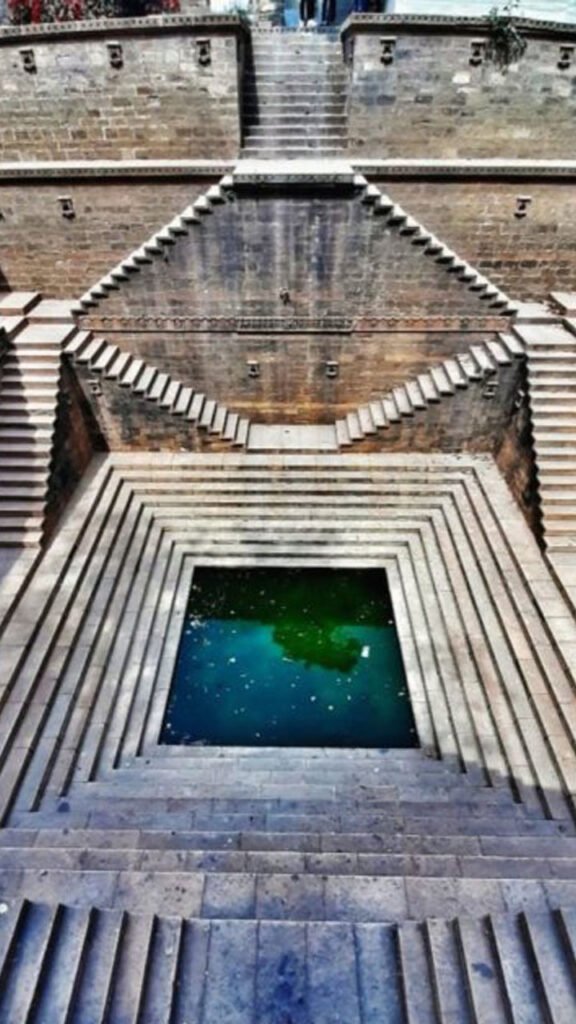
Why visit?
- Explore a traditional heritage site.
- Learn about historic architectural practices.
- Add a cultural stop to your Bhuj sightseeing tour.
Best for: History enthusiasts, architecture lovers, and travellers interested in local heritage.
Travel tip: Confirm the precise location and current visitor access before travelling, as the name Ram Kund may be used for more than one site.
Location: RamKund, Bhuj
4. Aina Mahal – Visit the Historic Palace of Mirrors
Aina Mahal is one of the best-known historical attractions in Bhuj. Its name means “Palace of Mirrors,” and it is admired for its decorative interiors and distinctive combination of Indian craftsmanship and European-inspired design.
The palace was built in the 18th century during the reign of Maharao Lakhpatji. It is associated with Ram Singh Malam, a skilled craftsman whose work reflects the artistic influences that reached Kutch through historical trade and cultural exchanges.
Inside the palace, visitors can explore decorative details, mirror work, and the craftsmanship associated with the royal court of Kutch.
Aina Mahal provides an opportunity to learn about the region’s royal history and the artistic traditions that developed under royal patronage.
Things to see:
- Decorative mirror work and palace interiors.
- Historic architectural details.
- The artistic legacy of Kutch’s royal period.
- The historic Darbargadh area of Bhuj.
Best for: History lovers, architecture enthusiasts, photographers, and cultural travellers.
Travel tip: Check current opening hours and entry arrangements before your visit.
Location: Aina Mahal, Bhuj
5. Prag Mahal – Admire Grand Palace Architecture
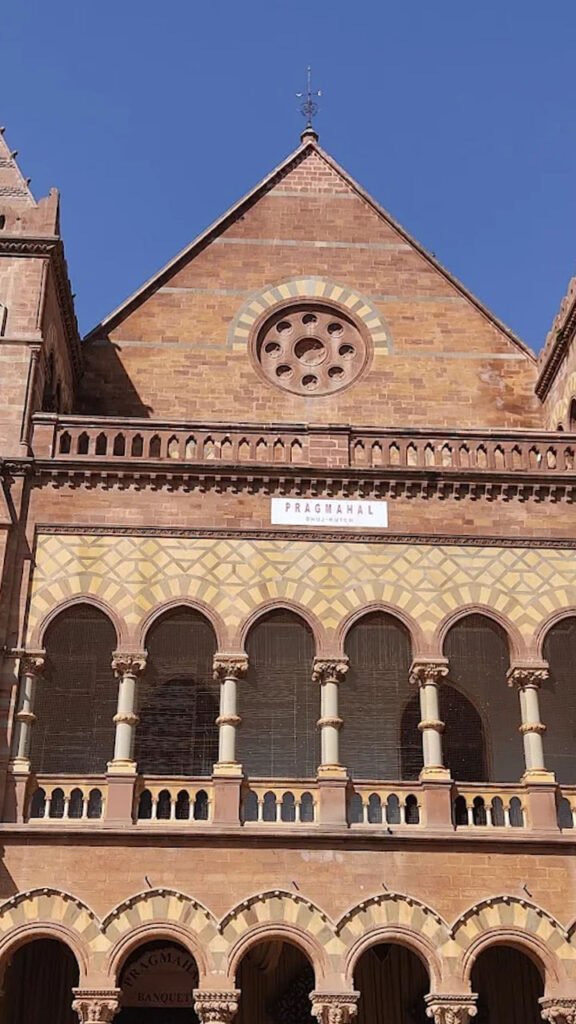
Prag Mahal is another major attraction in Bhuj and is located close to Aina Mahal. Its distinctive architecture makes it a favourite stop for visitors interested in historic buildings and photography.
Construction began in the 19th century during the reign of Maharao Pragmalji II. The palace displays strong European architectural influences, making it visually different from many traditional Indian royal buildings.
Its impressive stone façade, large halls, ornate details, and prominent clock tower give the building a distinctive appearance. Prag Mahal also offers an opportunity to explore the historical development of Bhuj and the architectural ambitions of the region’s former rulers.
Because Prag Mahal and Aina Mahal are near each other, visitors can comfortably include both in the same part of their sightseeing itinerary.
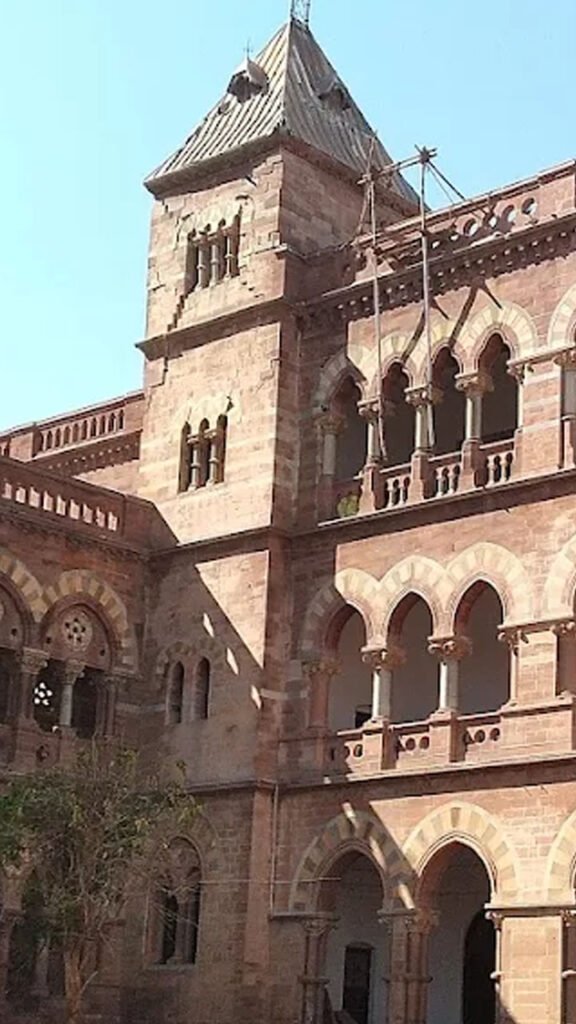
Things to see:
- The palace’s impressive exterior.
- European-inspired architectural features.
- The distinctive clock tower.
- Historic interiors and architectural details, where accessible.
Best for: Architecture lovers, photographers, families, and history enthusiasts.
Travel tip: Confirm which areas are open to visitors before planning your trip.
Location: Prag Mahal, Bhuj
Suggested One-Day Bhuj Sightseeing Itinerary
If you have one day to explore Bhuj and its nearby attractions, consider this suggested plan.
| Suggested order | Place | Experience |
|---|---|---|
| Morning | Kutch Museum | History, culture, and traditional crafts |
| Late morning | Aina Mahal | Royal history and decorative interiors |
| Midday | Prag Mahal | Historic architecture and photography |
| Afternoon | RamKund | Traditional heritage |
| Afternoon or early evening | Rogan Art (2 KM to Bhuj) | Traditional painting and artisan culture |
This is a flexible suggested order, not a fixed timetable. Adjust the sequence according to opening hours, travel time, weather, and workshop availability. If seeing Rogan Art being made is a priority, arrange your visit with the artisan in advance.
Best Time to Visit Bhuj and Kutch
The cooler months, generally from October to March, are often comfortable for sightseeing in Bhuj and exploring the wider Kutch region.
During this period, visitors can enjoy historical attractions, explore local markets, discover traditional crafts, and plan trips to other destinations in Kutch.
If you are planning to attend Rann Utsav, check the official dates and programme for the relevant season. The festival offers an opportunity to experience the culture, crafts, music, and hospitality of Kutch.
During the hotter months, plan outdoor activities for the morning or later in the day, and carry drinking water.
Travel Tips for Visiting Bhuj
A little planning can make your trip more enjoyable.
- Plan your route: Aina Mahal and Prag Mahal are close to each other and can be visited together.
- Allow time for traditional art: A visit to Madhapar is especially worthwhile if you want to learn about Rogan Art rather than simply view finished products.
- Check opening hours: Museums, palaces, and heritage sites may have different visiting schedules.
- Respect local traditions: Follow the rules at cultural sites and artisan workshops.
- Support local artisans: When purchasing traditional handicrafts, ask about the materials, technique, and artisan who created the work.
- Confirm details in advance: Check current entry arrangements, workshop availability, and local travel conditions before setting out.
Conclusion: Experience the Cultural Heritage of Bhuj and Kutch
Bhuj offers a rewarding combination of history, architecture, and traditional craftsmanship. Each of these five destinations provides a different way to understand the cultural identity of Kutch.
Kutch Museum introduces visitors to the region’s history and traditions. Ram Kund offers another heritage stop, while Aina Mahal and Prag Mahal showcase the architectural legacy of Bhuj’s royal past.
Rogan Art in Madhapar offers a particularly distinctive experience. It gives visitors an opportunity to discover a traditional painting technique that survives through the knowledge, dedication, and hard work of local artisans.
If you are planning a trip to Bhuj, consider going beyond the usual sightseeing route. Explore its historic buildings, learn about its cultural traditions, and take time to discover the people who continue to preserve its traditional arts.
A visit to Bhuj is not just a journey through places; it is an opportunity to experience the history, creativity, and living heritage of Kutch.